Garis besar topik

    • Assalamualaikum wr. wb

      Hi.... Everybody

      Welcome to my class, my beloved students. It is very nice to meet all of you in this semester. 
      Hoping you all are in good condition and always be happy. 

      Welcome to my subject of Behavior Organizational , especially for the 6 semester students of Management  Study Program. This subject consists of 4 SKS with 16 meetings include Mid Term and Final Exam. Pay attention with the rules of our teaching learning for this semester. The method of our teaching process is using explanation, discussion and answering and asking methods. The whole materials you can see and download from this lms. darmajaya.   I really hope that all of you always be active and enjoy studying this sibject with me in this teaching learning process. 

      May Allah bless us until the end of our study. Enjoy your class and have a nice learning. 

      Best Regards
      Wassalamu'alaikum Wr. Wb
      Betty Magdalena

      MY BROWN PHOTO


    • Organizational behavior (OB) is defined as the systematic study and application of knowledge about how individuals and groups act within the organizations where they work. 

    • Attitude

      1. Fear of the One God and be able to show a religious attitude.

      2. Respect the diversity of cultures, views, religions and beliefs, as well as other people's original opinions or findings.

      3. Demonstrate a responsible attitude towards work with expertise independently.

      General Ability

      1. Applying logical, critical, systematic, and innovative thinking in the context of science development or                       implementation knowledge and/or technology in accordance with the field of management.

      Specific Ability

      1. Applying logical, critical, systematic and innovative thinking in the context of the development or implementation       of science and/or technology according to the field of management.

      2. Able to work in groups both as a leader and a member of the group.

      3. Able to apply management knowledge in a global context.

      Special Skill Achievement

      1. Be able to design new operational procedures in the hospitality industry in an effective and efficient manner.

      2. Able to apply hospitality values (Integrity, Perfection, Trustworthiness, Professionalism, Personality and global                Ethics)  in the hospitality industry.

      Knowledge Achievement

      1. Mastering the theoretical concepts, methods and tools of analysis of management functions and organizational           functions of various types organization.  


    • After taking the Organizational Behavior subject, students are expected to be able to explain the importance of Organizational Behavior in the hospitality industry, as well as the benefits of Organizational Behavior having insight into the main issues faced by organizations, managers and hospitality industry workers.


    • Organizational Behavior course is a course that provides knowledge and understanding about workers in the organization. The topics which will be discussed are :

      What is Organizational Behavior, Managing Demographic and Cultural Diversity, Understanding People at Work : Individual Differences and Perception, Individual Attitude and Behavior, Theories of Motivations, Designing a Motivating Work Environment, Managing Stress and Emotions, Communication, Managing Groups and Teams, Conflict and Negotiation, Making Decision, Leading People in Organizations, Power and Politics, Organizational Culture. 

    • Aspek Penilaian

      Sikap

      Cara menyampaikan pendapat dalam diskusi, keseriusan, tanggung jawab dan ketepatan waktu mengumpulkan tugas.

      Pengetahuan

      Penguasaan materi yang di tunjukkan dalam proses tanya jawab, diskusi, presentasi, ujian tengah semester dan ujian akhir semester.

      Ketrampilan

      Mempunyai kreatifitas dalam menyusun tugas yang berhubungan topik atau materi pembelajaran.

      Teknik penilaian terdiri dari:

      1) observasi

      2) partisipasi

      3) unjuk kerja

      4) test tertulis

      5) test lisan

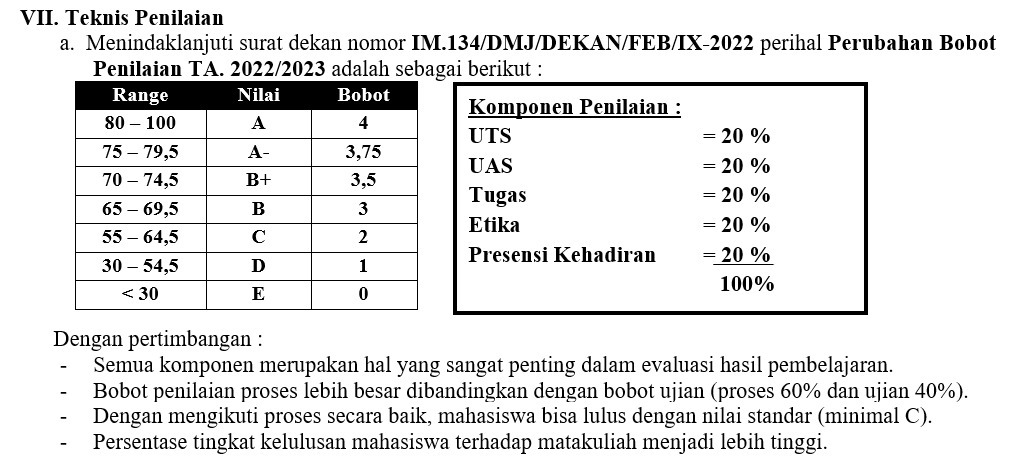
      5. Bobot Penilaian

      Range Nilai Dan Komponen Penilaian

    • 1.  What is Organizational Behavior

      2. Managing Demographic and Cultural Diversity

      3. Understanding People at Work : Individual Differences and Perception

      4.  Individual Attitudes and Behavior

      5. Theories of Motivation

      6. Designing a Motivating Work Environment

      7. Managing Stress and Emotion

      8. Mid Term

      9. Communication

      10. Managing Group and Team

      11. Conflict and Negotiation

      12. Making Decision

      13. Leading People in Organization

      14. Power and Politics

      15. Organizational Culture

      16. Final Examination


  • What is Organizational Behavior

    1. Understanding Organizational  Behavior

    2. Understanding Your Learning Style

    3. Understanding How Organizational Behavior Research is Done

    4. Trends and Changes

    5. Maintaining Core Value

    6. Conclusion

    7. Exercises


    • What Is Organizational Behavior (OB), and Why Is It Important?

      What Is Organizational Behavior (OB)?

      Organizational behavior is the academic study of how people interact within groups. The principles of the study of organizational behavior are applied primarily in attempts to make businesses operate more effectively.

      Understanding Organizational Behavior (OB)

      The study of organizational behavior includes areas of research dedicated to improving job performance, increasing job satisfaction, promoting innovation, and encouraging leadership. Each has its own recommended actions, such as reorganizing groups, modifying compensation structures, or changing methods of performance evaluation.

      Organizational Behavior Origins

      The study of organizational behavior has its roots in the late 1920s, when the Western Electric Company launched a now-famous series of studies of the behavior of workers at its Hawthorne Works plant in Cicero,

      Researchers there set out to determine whether workers could be made to be more productive if their environment was upgraded with better lighting and other design improvements. To their surprise, the researchers found that the environment was less important than social factors. It was more important, for example, that people got along with their co-workers and felt their bosses appreciated them.

      Those initial findings inspired a series of wide-ranging studies between 1924 and 1933.1 They included the effects on productivity of work breaks, isolation, and lighting, among many other factors.

      The Hawthorne EffectΓÇöwhich describes the way test subjects' behavior may change when they know they are being observedΓÇöis the best-known study of organizational behavior. Researchers are taught to consider whether or not (and to what degree) the Hawthorne Effect may skew their findings on human behavior.

      Organizational behavior was not fully recognized by the American Psychological Association as a field of academic study until the 1970s.2 However, the Hawthorne research is credited for validating organizational behavior as a legitimate field of study, and it's the foundation of the human resources (HR) profession as we now know it.

      Evolution of Organization Behavior

      The leaders of the Hawthorne study had a couple of radical notions. They thought they could use the techniques of scientific observation to increase an employee's amount and quality of work, and they did not look at workers as interchangeable resources. Workers, they thought, were unique in terms of their psychology and potential fit within a company.

      Over the following years, the concept of organizational behavior widened. Beginning with World War II, researchers began focusing on logistics and management science. Studies by the Carnegie School in the 1950s and 1960s solidified these rationalist approaches to decision-making.3

      Today, those and other studies have evolved into modern theories of business structure and decision-making. The new frontiers of organizational behavior are the cultural components of organizations, such as how race, class, and gender roles affect group building and productivity. These studies take into account how identity and background inform decision-making.


      Organizational behavior is no different than other forms of psychological behavior analysis. It simply emphasizes how individuals operate and work together within a business setting.

      Learning Organizational Behavior

      Academic programs focusing on organizational behavior are found in business schools, as well as at schools of social work and psychology. These programs draw from the fields of anthropology, ethnography, and leadership studies, and use quantitative, qualitative, and computer models as methods to explore and test ideas.

      Depending on the program, one can study specific topics within organizational behavior or broader fields within it. Specific topics covered include cognition, decision-making, learning, motivation, negotiation, impressions, group process, stereotyping, and power and influence. The broader study areas include social systems, the dynamics of change, markets, relationships between organizations and their environments, how social movements influence markets, and the power of social networks.

      Organizational Behavior Study Methods

      Organizational behavior can be studied using a variety of methods to collect data. Surveys are a popular research method in organizational behavior research. They involve asking individuals to answer a set of questions, often using a Likert scale. The goal of the survey is to gather quantitative data on attitudes, behaviors, and perceptions related to a particular topic. In a similar manner, companies may perform interviews to gather data about individuals' experiences, attitudes, and perceptions.

      Companies can also gather data without directly interacting with study subjects. Observations involve watching individuals in real-life settings to gather data on their behaviors, interactions, and decision-making processes. Meanwhile, a company can perform case studies to perform an in-depth examination of a particular organization, group, or individual.

      In situations where there isn't really precedent, companies can study organizational behavior by running experiments. By manipulating one or more variables at a time to observe the effect on a particular outcome, a company can get the best sense of how organizational behavior tweaks change employee disposition.

      Organizational behavior data can be quantitative or qualitative.

      Organizational Behavior and HR

      Organizational behavior is an especially important aspect to human resources. By better understanding how and why individuals perform in a certain way, organizations can better recruit, retain, and deploy workers to achieve its mission. The specific aspects of organizational behavior relating to HR are listed below.

      Recruitment

      Organizational behavior research is used to identify the skills, abilities, and traits that are essential for a job. This information is used to develop job descriptions, selection criteria, and assessment tools to help HR managers identify the best candidates for a position. This is especially true for roles that may have technical aspects but rely heavier on soft skills.

      Training

      Organizational behavior can be used to design and deliver training and development programs that enhance employees' skills. These programs can focus on topics such as communication, leadership, teamwork, and diversity and inclusion. In addition, organizational behavior can be used to be better understand how each individual may uniquely approach a training, allowing for more customized approaches based on different styles.

      Performance Management

      Organizational behavior is used to develop performance management systems that align employee goals with organizational objectives. These systems often include performance metrics, feedback mechanisms, and performance appraisal processes. By leveraging organizational behavior, a company can better understand how its personnel will work towards common goals and what can be achieved.

      Employee Engagement

      Organizational behavior is used to develop strategies to improve employee engagement and motivation. These strategies can include recognition and rewards programs, employee involvement initiatives, and career development opportunities. Due to the financial incentives of earning a paycheck, organizational behavior strives to go beyond incentivizing individuals with a paycheck and understanding ways to enhance the workplace with other interests.

      Culture

      Organizational behavior research is used to develop and maintain a positive organizational culture. This includes devising strategies that supports employee well-being, trust, and a shared vision for the future. As each individual may act in their own unique manner, it is up to organizational behavior to blend personalities, integrate backgrounds, and bring people together for a common cause.

      Organizational Behavior vs. Organizational Theory

      Organizational behavior and organizational theory are related fields of study, but they have some important differences. While organizational behavior is concerned with understanding and improving the behavior of individuals, organizational theory is concerned with developing and testing theories about how organizations function and how they can be structured effectively.

      Organizational theory draws on concepts and theories from economics, sociology, political science, and other social sciences. It aims to understand how organizations are structured and how they operate. In some aspects, organizational behavior can be considered a subset of organizational theory.

      Both fields are important for understanding and improving organizational performance, and they often overlap in their research topics and methods. However, organizational theory is often much broader and does not focus on individuals.

      Examples of Organizational Behavior

      Findings from organizational behavior research are used by executives and human relations professionals to better understand a businessΓÇÖs culture, how that culture helps or hinders productivity and employee retention, and how to evaluate candidates' skills and personality during the hiring process.

      Organizational behavior theories inform the real-world evaluation and management of groups of people. There are several components:

      • Personality plays a large role in the way a person interacts with groups and produces work. Understanding a candidate's personality, either through tests or through conversation, helps determine whether they are a good fit for an organization.
      • LeadershipΓÇöwhat it looks like and where it comes fromΓÇöis a rich topic of debate and study within the field of organizational behavior. Leadership can be broad, focused, centralized or de-centralized, decision-oriented, intrinsic in a personΓÇÖs personality, or simply a result of a position of authority.
      • Power, authority, and politics all operate inter-dependently in a workplace. Understanding the appropriate ways these elements are exhibited and used, as agreed upon by workplace rules and ethical guidelines, are key components to running a cohesive business.

      Why Is Organizational Behavior Important?

      Organizational behavior describes how people interact with one another inside of an organization, such as a business. These interactions subsequently influence how the organization itself behaves and how well it performs. For businesses, organizational behavior is used to streamline efficiency, improve productivity, and spark innovation to give firms a competitive edge.

      What Are the 4 Elements of Organizational Behavior?

      The four elements of organizational behavior are people, structure, technology, and the external environment. By understanding how these elements interact with one another, improvements can be made. While some factors are more easily controlled by the organizationΓÇösuch as its structure or people hiredΓÇöit still must be able to respond to external factors and changes in the economic environment.

      What Are the 3 Levels of Organizational Behavior?

      The first is the individual level, which involves organizational psychology and understanding human behavior and incentives. The second level is groups, which involves social psychology and sociological insights into human interaction and group dynamics. The top-level is the organizational level, where organization theory and sociology come into play to undertake systems-level analyses and the study of how firms engage with one another in the marketplace.

      What Are Some Common Problems that Organizational Behavior Tries to Solve?

      Organizational behavior can be used by managers and consultants to improve the performance of an organization and to address certain key issues that commonly arise. These may include a lack of direction or strategic vision for a company, difficulty getting employees on board with that vision, pacifying workplace conflict or creating a more amenable work environment, issues with training employees, poor communication or feedback, and so on.

      The Bottom Line

      Organizational behavior is the study of human behavior in an organizational setting. This includes how individuals interact with each other in addition to how individuals interact with the organization itself. Organizational behavior is a critical part of human resources, though it is embedded across a company. 

      KEY TAKEAWAYS

      • Organizational behavior is the academic study of how people interact within groups and its principles are applied primarily in attempts to make businesses operate more effectively.
      • The study of organizational behavior includes areas of research dedicated to improving job performance, increasing job satisfaction, promoting innovation, and encouraging leadership and is a foundation of corporate human resources.
      • The Hawthorne Effect, which describes the way test subjects' behavior may change when they know they are being observed, is the best-known study of organizational behavior.
      • Organizational behavior is embedded in human resources such as employee retention, engagement, training, and culture.
      • Organizational behavior is a subset of organizational theory which studies a more holistic way of structuring a company and managing its resources.

    • Putting Common Sense to the Test
      Please answer the following 10 questions by noting whether you believe the sentence is true or false.
      1. Brainstorming in a group is more effective than brainstorming alone. _____
      2. The first 5 minutes of a negotiation are just a warm-up to the actual negotiation and donΓÇÖt matter
      much. _____
      3. The best way to help someone reach their goals is to tell them to do their best. _____
      4. If you pay someone to do a task they routinely enjoy, theyΓÇÖll do it even more often in the future.
      _____
      5. Pay is a major determinant of how hard someone will work. _____
      6. If a person fails the first time, they try harder the next time. _____
      7. People perform better if goals are easier. _____
      8. Most people within organizations make effective decisions. _____
      9. Positive people are more likely to withdraw from their jobs when they are dissatisfied. _____
      10. Teams with one smart person outperform teams in which everyone is average in intelligence.


    • Please write down the summary of our learning here. Thanks

  • Managing Demographic and Cultural Diversity

    1. Doing Good as a Core Business Strategy :  The case of Goodwill Industries

    2. Demographic Diversity

    3. Cultural Diversity

    4. The Role of Ethics and National Culture

    5. Managing Diversity for Success : The Case of IBM

    6. Conclusion

    7. Exercises


    • Demographic diversity definition

      When we talk about demographics, we are talking about the ways that a population can be divided into smaller groups, such as by gender, age, class, ethnicity and population density. Therefore, demographic diversity relates to differences within a population. Demographic diversity is important in geography because it can be a key indicator of a country's development and socioeconomic circumstances. A more diverse demographic is often found in more developed places. Let's think about London: the population of London is incredibly diverse, representing people of different genders, ages, classes, religions and ethnicities.

      diverse population is a group of people who differ in terms of one of more characteristics, such as by gender, age, class and ethnicity.

      Often, where you hear the word 'diversity', you will also hear the term 'inclusion'. While you might hear these words together, it is important to remember that they actually mean different things! One key way to remember the difference between the two is through this quote:

      Diversity is about inviting everyone to the party. Inclusion is about encouraging everyone to dance. - Vern─ü Myers

      Let's think about what this quote is actually saying. While a population may represent different genders, ages, classes and ethnicities and therefore be deemed diverse, it may not be inclusive. This could be because certain members of that diverse population may not be given the same opportunities as other members or may be restricted from certain spaces that others aren't.

      Some people cannot fully participate in society because of their gender, race, age or class. Women in the UK won the right to vote in 1928- the population was not inclusive as they could not fully participate in society. In the same way, racial segregation movements (e.g. the apartheid in South Africa) are examples of populations being diverse but not inclusive.

      Types of demographic diversity

      There are 4 types of demographic diversity: internal, external, organisational and worldview. Our diverse population definition mainly focused on internal demographic diversity, but it is important to consider all 4 types:

      • Internal diversity refers to differences in natural characteristics/factors, e.g. gender, ethnicity, age, and nationality at birth.
      • External diversity also refers to differences in people's characteristics, but ones that can be controlled and changed. Examples of external diversity include religious beliefs, socioeconomic status and education.
      • Organisational diversity refers to differences in characteristics that are given to people by organisations. This can be things like employment status, how high up you are in a company or even where you work.
      • Worldview diversity literally refers to differences in people's views of the world. These views can change over time, and as a result of and in response to many different factors. An example of worldview diversity is differences in political beliefs.

      From this, it is clear that there are many ways in which a population can be classified as a diverse population. When we divide a population up in different ways to look at the demographics, we can see this diversity.

      If you want to refer to the different types of demographic diversity in an exam, you might want to look at census data. The data recorded in a census divides the population by certain internal, external and organisational factors.

      Everything you'll need for your studies in one place for Demographic Diversity

      StudySmarter's FREE web and mobile app

      Get Started Now

      What causes demographic diversity?

      There are many different factors which can contribute to or even reduce the diversity of a population, including:

      • Migration
      • Birth rates and death rates
      • Development
      • Globalisation

      Demographic Diversity A man hitting a pinata in front of a crowd StudySmarter


      Migration

      The movement and resettling of people within and between countries is a key driver of changes in demographic diversity. Our article on Migration explains that people move for many reasons. One type of migration is economic migration. This involves the movement of people to allow them to take economic opportunities, like new jobs. If lots of people move from one country to another to look for work, this impacts the demographic diversity of both the origin country and the host (or new) country. This is because the original country might lose a significant part of their economically active, adult population, whereas the host country may gain many economically active people of different beliefs, religions and ethnicities.

      Create Demographic Diversity notes faster than ever before

      StudySmarter's FREE web and mobile app

      Get Started Now

      Birth rates and death rates

      As you probably know, birth rates and death rates significantly affect the size of a population. What might be less obvious is that these rates can also influence demographic diversity. If the birth rate is low and the death rate is high, the population can be classed as an ageing population. Eventually, this will reduce the demographic diversity of that population in terms of age.

      Many countries, such as Japan, Italy and France, have ageing populations. Although all 3 of these countries can be argued to have diverse populations in some respects, it is looking like the demographic diversity of each (in terms of age) is at risk if the birth rate does not increase.

      Development

      When a country undergoes development, it often develops greater demographic diversity. Development encourages migration, a wider variety of job titles, differing educational opportunities and disposable income to allow for changes in socioeconomic circumstances. As we discussed earlier, differences between people related to all of these factors result in diversity. Therefore, the development of a country often coincides with increased demographic diversity.

      Create and find the best flashcards for Demographic Diversity

      Globalisation

      The world is becoming increasingly interconnected because of the globalisation process. The increased flows of people (by migration) are encouraging the emergence of a 'world village', in which cultures are becoming connected. While this increases demographic diversity across the world, some would argue that globalisation could also be causing a reduction in demographic diversity. Why? Globalisation is responsible for creating uniformity across the world. Cultural erosion is seen to be a common side effect of a globalising world as people begin to adopt global cultural norms. Therefore, globalisation can be argued to both increase and decrease demographic diversity depending on which metrics/factors are being considered.

      You can read all about globalisation, its causes and its implications in our Globalising World article.

      Demographic Diversity, An illustration of the world map showing how globalisation increases the interconnectedness of the world, StudySmarterFig. 2 - Globalisation increases the interconnectedness of the world

      Workforce demographics and diversity

      While in geography we tend to focus on the study of the demographic diversity of places, the diverse demographics of workforces can also be studied. Diverse demographics in the workplace are important to encourage innovation, creativity and adequate representation of the wider population. This is important in making sure that companies perform to the best of their ability. Nowadays, there is more public pressure to have a diverse workforce demographic. If you take a look at most companies, there are policies in place to ensure that people of different genders, races, sexual orientations and classes are included in the workforce.

      In most countries, it is now illegal to deny somebody employment or a promotion because of any of the 'protected characteristics' (a series of characteristics that are frequently and historically discriminated against, like gender and race). It is also illegal to deny or end employment based on pregnancy status too. This is a legal measure taken to encourage a diverse workforce and prevent discrimination.

      Diversity - Key takeaways

      • Diversity in a population refers to the presence of differences in internal, external, organisational and worldview factors.
      • Where diversity involves the representation of different characteristics, inclusion allows all people to participate fully in society.
      • Demographic diversity is influenced by many factors, including migration, birth and death rates, development and globalisation.
      • As well as within places, diversity is important in the populations of workforces to encourage innovation, creativity and adequate representation of wider populations.

      Frequently Asked Questions about Demographic Diversity

      Diversity is created by the presence of differences between certain characteristics of a population, e.g. gender, ethnicity and class.

      Diversity is an important indicator of development. It is important for innovation, creation and the representation of people. It also helps to foster and encourage social justice.

      Diversity can be internal, external, organisational or worldview.

      Demographic diversity can come from differences in gender, ethnicity, age, class, educational background, socioeconomic status, religion and political beliefs. It can be increased/decreased by migration, birth and death rates, development and globalisation.

      Demographics is the breakdown of people based on a given characteristic. Diversity is the present differences between these characteristics within the populatio


    • What language do you speak? What is your religion? What holidays do you celebrate? What is your racial identification? What is your ethnic identity? What is your culture?

      Culture is that which shapes us; it shapes our identity and influences our behavior. Culture is our ΓÇ£way of being,ΓÇ¥ more specifically, it refers to the shared language, beliefs, values, norms, behaviors, and material objects that are passed down from one generation to the next.1

      According to the U.S. Census Bureau, the 2009 population in America was:

      • 80% White
      • 16% Hispanic or Latino origin (may be of any race)
      • 13% African American
      •  5% Asian
      •  1% American Indian/Alaskan Native
      •  0.2% Native Hawaiian/Pacific Islander2

      Each race encompasses a multitude of different ethnic groups. An ethnic group refers to people who are closely related to each other through characteristics such as culture, language, and religion.3 There are many ethnic groups in the United States, due in large part to its immigrant population; each of these groups contributes to AmericaΓÇÖs cultural heritage. From African Americans to Russian Americans, the United States is one of the most diverse nations in terms of culture.

      What does it mean to be ΓÇ£culturally diverseΓÇ¥?

      The term ΓÇ£culturally diverseΓÇ¥ is often used interchangeably with the concept of ΓÇ£multiculturalism.ΓÇ¥ Multiculturalism is defined as:

      ΓÇ£ΓǪa system of beliefs and behaviors that recognizes and respects the presence of all diverse groups in an organization or society, acknowledges and values their socio-cultural differences, and encourages and enables their continued contribution within an inclusive cultural context which empowers all within the organization or society.4

      Sociologist Dr. Caleb Rosado, who specializes in diversity and multiculturalism, described seven important actions involved in the definition of multiculturalism:5

      • recognition of the abundant diversity of cultures;
      • respect for the differences;
      • acknowledging the validity of different cultural expressions and contributions;
      • valuing what other cultures offer;
      • encouraging the contribution of diverse groups;
      • empowering people to strengthen themselves and others to achieve their maximum potential by being critical of their own biases; and
      • celebrating rather than just tolerating the differences in order to bring about unity through diversity.

      Why is cultural diversity a ΓÇ£good thingΓÇ¥?

      Culture is the lens with which we evaluate everything around us; we evaluate what is proper or improper, normal or abnormal, through our culture. If we are immersed in a culture that is unlike our own we may experience culture shock and become disoriented when we come into contact with a fundamentally different culture. People naturally use their own culture as the standard to judge other cultures; however, passing judgment could reach a level where people begin to discriminate against others whose ΓÇ£ways of beingΓÇ¥ are different than their ownΓÇöessentially, we tend to fear that which we do not understand.

      Cultural diversity is important because our country, workplaces, and schools increasingly consist of various cultural, racial, and ethnic groups. We can learn from one another, but first we must have a level of understanding about each other in order to facilitate collaboration and cooperation. Learning about other cultures helps us understand different perspectives within the world in which we live, and helps dispel negative stereotypes and personal biases about different groups.

      In addition, cultural diversity helps us recognize and respect ΓÇ£ways of beingΓÇ¥ that are not necessarily our own, so that as we interact with others we can build bridges to trust, respect, and understanding across cultures. Furthermore, this diversity makes our country a more interesting place to live, as people from diverse cultures contribute language skills, new ways of thinking, new knowledge, and different experiences.

      How can you support cultural diversity?

      • Increase your level of understanding about other cultures by interacting with people outside of your own cultureΓÇömeaningful relationships may never develop simply due to a lack of understanding.
      • Avoid imposing values on others that may conflict or be inconsistent with cultures other than your own.
      • When interacting with others who may not be proficient in English, recognize that their limitations in English proficiency in no way reflects their level of intellectual functioning.
      • Recognize and understand that concepts within the helping profession, such as family, gender roles, spirituality, and emotional well-being, vary significantly among cultures and influence behavior.
      • Within the workplace, educational setting, and/or clinical setting, advocate for the use of materials that are representative of the various cultural groups within the local community and the society in general.
      • Intervene in an appropriate manner when you observe others engaging in behaviors that show cultural insensitivity, bias, or prejudice.
      • Be proactive in listening, accepting, and welcoming people and ideas that are different from your own.6

      Cultural diversity supports the idea that every person can make a unique and positive contribution to the larger society because of, rather than in spite of, their differences. Imagine a place where diversity is recognized and respected; various cultural ideas are acknowledged and valued; contributions from all groups are encouraged; people are empowered to achieve their full potential; and differences are celebrated.

      ΓÇ£Diversity is the one true thing we have in common. 
      Celebrate it every day.ΓÇ¥ 

    • Managing Diversity for Success: The Case of IBM

      Figure 2.11

      Various flags from participating countries

      Peter Dean ΓÇô Participant Flags ΓÇô CC BY-NC-ND 2.0.

      When you are a company that operates in over 170 countries with a workforce of over 398,000 employees, understanding and managing diversity effectively is not optionalΓÇöit is a key business priority. A company that employs individuals and sells products worldwide needs to understand the diverse groups of people that make up the world.

      Starting from its early history in the United States, IBM Corporation (NYSE: IBM) has been a pioneer in valuing and appreciating its diverse workforce. In 1935, almost 30 years before the Equal Pay Act guaranteed pay equality between the sexes, then IBM president Thomas Watson promised women equal pay for equal work. In 1943, the company had its first female vice president. Again, 30 years before the Family and Medical Leave Act (FMLA) granted women unpaid leave for the birth of a child, IBM offered the same benefit to female employees, extending it to one year in the 1960s and to three years in 1988. In fact, the company ranks in the top 100 on Working Mother magazineΓÇÖs ΓÇ£100 Best CompaniesΓÇ¥ list and has been on the list every year since its inception in 1986. It was awarded the honor of number 1 for multicultural working women by the same magazine in 2009.

      IBM has always been a leader in diversity management. Yet, the way diversity was managed was primarily to ignore differences and provide equal employment opportunities. This changed when Louis Gerstner became CEO in 1993.

      Gerstner was surprised at the low level of diversity in the senior ranks of the company. For all the effort being made to promote diversity, the company still had what he perceived a masculine culture.

      In 1995, he created eight diversity task forces around demographic groups such as women and men, as well as Asians, African Americans, LGBT (lesbian, gay, bisexual, and transgender) individuals, Hispanics, Native Americans, and employees with disabilities. These task forces consisted of senior-level, well-respected executives and higher-level managers, and members were charged with gaining an understanding of how to make each constituency feel more welcome and at home at IBM. Each task force conducted a series of meetings and surveyed thousands of employees to arrive at the key factors concerning each particular group. For example, the presence of a male-dominated culture, lack of networking opportunities, and work-life management challenges topped the list of concerns for women. Asian employees were most concerned about stereotyping, lack of networking, and limited employment development plans. African American employee concerns included retention, lack of networking, and limited training opportunities. Armed with a list of priorities, the company launched a number of key programs and initiatives to address these issues. As an example, employees looking for a mentor could use the companyΓÇÖs Web site to locate one willing to provide guidance and advice. What is probably most unique about this approach is that the company acted on each concern whether it was based on reality or perception. They realized that some women were concerned that they would have to give up leading a balanced life if they wanted to be promoted to higher management, whereas 70% of the women in higher levels actually had children, indicating that perceptual barriers can also act as a barrier to employee aspirations. IBM management chose to deal with this particular issue by communicating better with employees as well as through enhancing their networking program.

      The company excels in its recruiting efforts to increase the diversity of its pool of candidates. One of the biggest hurdles facing diversity at IBM is the limited minority representation in fields such as computer sciences and engineering. For example, only 4% of students graduating with a degree in computer sciences are Hispanic. To tackle this issue, IBM partners with colleges to increase recruitment of Hispanics to these programs. In a program named EXITE (Exploring Interest in Technology and Engineering), they bring middle school female students together for a weeklong program where they learn math and science in a fun atmosphere from IBMΓÇÖs female engineers. To date, over 3,000 girls have gone through this program.

      What was the result of all these programs? IBM tracks results through global surveys around the world and identifies which programs have been successful and which issues no longer are viewed as problems. These programs were instrumental in more than tripling the number of female executives worldwide as well as doubling the number of minority executives. The number of LBGT executives increased sevenfold, and executives with disabilities tripled. With growing emerging markets and women and minorities representing a $1.3 trillion market, IBMΓÇÖs culture of respecting and appreciating diversity is likely to be a source of competitive advantage.

      Based on information from Ferris, M. (2004, Fall). What everyone said couldnΓÇÖt be done: Create a global womenΓÇÖs strategy for IBM. The Diversity Factor, 12(4), 37ΓÇô42; IBM hosts second annual Hispanic education day. (2007, DecemberΓÇôJanuary). Hispanic Engineer, 21(2), 11; Lee, A. M. D. (2008, March). The power of many: DiversityΓÇÖs competitive advantage. Incentive, 182(3), 16ΓÇô21; Thomas, D. A. (2004, September). Diversity as strategy. Harvard Business Review, 82(9), 98ΓÇô108.

      Discussion Questions

      1. IBM has been championed for its early implementation of equality among its workforce. At the time, many of these policies seemed radical. To IBMΓÇÖs credit, the movement toward equality worked out exceptionally well for them.  Have you experienced policy changes that might seem radical? Have these policies worked out? What policies do you feel are still lacking in the workforce?
      2. If you or your spouse is currently employed, how difficult would it be to take time off for having a child?Some individuals feel that so much focus is put on making the workplace better for underrepresented groups that the majority of the workforce becomes neglected. Do you feel this was the case at IBM? Why or why not?
      3.  How can a company ensure that no employee is neglected, regardless of demographic group?
      4. What types of competitive advantages could IBM have gained from having such a diverse workforce?

    • Please write the summary of this learning.

  • Understanding People at Work : Individual Differences and Perception

    1. Advice for Hiring Successful Employees : The case of Guy Kayasaki

    2. The Interaction Perspective : The Role of Fit

    3. Individual Differences : Value and Personality

    4. Perception

    5. The Role of Ethics and Nation Culture

    6. Using Science to Match Candidates to Jobs : The Case of Kronos

    7. Conclusion

    8. Exercises 


    • HOW TO HIRE EMPLOYEES

      7 WAYS TO FIND, HIRE AND EVALUATE GREAT EMPLOYEES

      Hire superstars only; donΓÇÖt settle for averageΓǪThe best predictor of their future performance is their past performance, actually.ΓÇ¥ ΓÇô Eben Pagan

      Running a successful business is not just about selling a product or service. To get to the top of your industry and stay there, you must learn how to hire employees who will stick with your company for years to come.

      The cost of hiring the wrong person is high, but the cost of keeping the wrong person is even higher. According to one well-known recruiter, the real cost of bringing on a new employee is $240,000. But if you keep the wrong employee for, say, two and a half years before firing and replacing them, that bad hire will have cost you close to $840,000 when you factor in total compensation, hiring, disruption costs, severance and so on.

      Your investment in learning how to find good employees far outweighs their contribution. Even if you go through all of the right processes to hire the right person, you may end up with someone who interviews well but isnΓÇÖt an outstanding performer. ThatΓÇÖs why entrepreneur Eben Pagan says, ΓÇ£Hire slowly, fire quickly.ΓÇ¥

      The bottom line of a business is not its monetary bottom line ΓÇô itΓÇÖs the people whose energy and efforts make the company what it is. Your people are part and parcel to your strategy for building a profitable business. Unlocking the keys to how to hire employees ΓÇô from finding good candidates to evaluating performance post-hire ΓÇô will save you the time and expense of a bad fit.

      how to hire great employees

      HOW TO HIRE GREAT EMPLOYEES

      Instincts alone arenΓÇÖt enough to properly find, hire and evaluate employees. You also need  the right skills and strategies.

      1. UNDERSTAND YOUR COMPANY VALUES

      Before you can determine how to hire employees who are a good fit, you must understand who you are as a company. As a leader, you set the bar for your companyΓÇÖs culture and core values, which are readily apparent in your customerΓÇÖs experience. When you run a business, youΓÇÖre leading a group of people with needs and feelings as well as skills and job roles. Without the capacity to communicate your vision and what your company stands for, your recruiting process falls flat. 

      2. LEVERAGE YOUR NETWORK

      Leverage is a key business concept that means using the resources you have in order to achieve your goals. As Tony Robbins says, ΓÇ£ItΓÇÖs not the lack of resources, itΓÇÖs your lack of resourcefulness that stops you.ΓÇ¥ In terms of learning how to find good employees, resourcefulness means looking to your network, including referrals from your current employees, mastermind groups or mentors and even social media. Surround yourself with smart, hard-working people ΓÇô then encourage them to share your job posting.

      3. LOOK FOR A FIT WITH YOUR TEAM

      In one study 86% of executives said poor collaboration is a major cause of business failure. They understand that teamwork has a direct effect on productivity and profitability. Use the DISC assessment to evaluate your current team, then use it as a tool for how to hire great employees. It will help you understand the soft skills, personality type and communication styles each potential hire might bring to your team.

      4. PRIORITIZE COMMUNICATION SKILLS

      When it comes to mastering how to find good employees, research shows that employers prioritize a recruitΓÇÖs communication skills over any other attribute. Researchers surveyed nearly 1,000 recruiters who solicited potential hires on business school campuses. These recruiters put communication skills like speaking, listening, writing and presenting at the top of their list of desirable traits.

      Why does a so-called ΓÇ£soft skillΓÇ¥ like communication play such a pivotal role in learning how to hire great employees? Communication skills are more elusive than hard skills like technical knowledge, distinguishing average talent from rockstar talent.

      5. EVALUATE NEW HIRES

      Your responsibilities donΓÇÖt end once youΓÇÖve decided on the ideal candidate and hired them. You must follow up ΓÇô and you must go beyond the typical questions to ask new hires and dig deeper. Eben Pagan has created a straightforward system to determine whether your new hireΓÇÖs performance meets your standards as quickly as possible ΓÇô itΓÇÖs called the daily update.

      In this interview, available in its full length in the DVD set of The New Money Masters , Eben teaches Tony Robbins his questions to ask new hires as part of his system for evaluating new hires. Embracing the communication strategies behind PaganΓÇÖs method is one of the most effective ways to learn how to hire employees.

      6. ENGAGE IN DAILY COMMUNICATION

      One crucial trait of the daily update is that it happens every day for the first 30 days. By engaging in daily communication with new employees, youΓÇÖre able to pinpoint and solve problems and determine if they are a superstar ΓÇô or cut ties if the fit isnΓÇÖt there. Ask your new hires three questions at the end of each day:

      • What they did that day and the results they got
      • Any problems or challenges they faced
      • Questions they have for you

      By soliciting your new hireΓÇÖs honest feedback, youΓÇÖre also able to pinpoint areas where your training processes or overall operations need revamping. This straightforward and efficient tool could save you hundreds of thousands of dollars.

       7. WORK ON YOUR LEADERSHIP SKILLS

      A business is only as strong as the psychology and skills of its leader. Discover your business identity to understand yourself more fully and build a team that will propel your company to the top. Learn how to build better connections ΓÇô one of the most fundamental ways to hire good employees, since itΓÇÖs this rapport that ultimately cements the relationships that hold your company together. Work on your communication skills to create a culture of strategic innovation where creativity and problem solving can flourish ΓÇô and that creates raving fan employees who want to bring in more superstar talent.

      Your hiring practices can make or break your business. When you understand how to hire employees through a careful and strategic onboarding system, youΓÇÖre able to create a passionate, cross-functional team that thrives. 

    •  Case in Point: Kronos Uses Science to Find the Ideal Employee


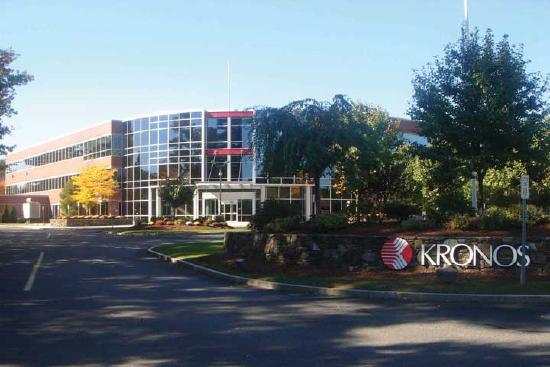
      Picture of a Kronos building

      You are interviewing a candidate for a position as a cashier in a supermarket. You need someone polite, courteous, patient, and dependable. The candidate you are talking to seems nice. But how do you know who is the right person for the job? Will the job candidate like the job or get bored? Will they have a lot of accidents on the job or be fired for misconduct? DonΓÇÖt you wish you knew before hiring? One company approaches this problem scientifically, saving companies time and money on hiring hourly wage employees.

      Retail employers do a lot of hiring, given their growth and high turnover rate. According to one estimate, replacing an employee who leaves in retail costs companies around $4,000. High turnover also endangers customer service. Therefore, retail employers have an incentive to screen people carefully so that they hire people with the best chance of being successful and happy on the job. Unicru, an employee selection company, developed software that quickly became a market leader in screening hourly workers. The company was acquired by Massachusetts-based Kronos Inc. (NASDAQ: KRON) in 2006 and is currently owned by a private equity firm.

      The idea behind the software is simple: If you have a lot of employees and keep track of your data over time, you have access to an enormous resource. By analyzing this data, you can specify the profile of the ΓÇ£idealΓÇ¥ employee. The software captures the profile of the potential high performers, and applicants are screened to assess their fit with this particular profile. More important, the profile is continually updated as studies that compare employee profiles to job performance are conducted. As the number of studies gets larger, the software does a better job of identifying the right people for the job.

      If you applied for a job in retail, you may have already been a part of this database: the users of this system include giants such as Universal Studios, Costco Wholesale Corporation, Burger King, and other retailers and chain restaurants. In companies such as Albertsons or Blockbuster, applicants can either use a kiosk in the store to answer a list of questions and to enter their background, salary history, and other information or apply online from their home computers. The software screens people on basic criteria such as availability in scheduling as well as personality traits.

      Candidates are asked to agree or disagree with statements such as ΓÇ£I often make last-minute plansΓÇ¥ or ΓÇ£I work best when I am on a team.ΓÇ¥ Additionally, questions about how an applicant would react in specific job-related situations and about person-job fit are included. After the candidates complete the questions, hiring managers are sent a report complete with a color-coded suggested course of action. Red means the candidate does not fit the job, yellow indicates the hiring manager should proceed with caution, and green means the candidate is likely a good fit. Because of the use of different question formats and complex scoring methods, the company contends that faking answers to the questions of the software is not easy because it is difficult for candidates to predict the desired profile.

      Matching candidates to jobs has long been viewed as a key way of ensuring high performance and low turnover in the workplace, and advances in computer technology are making it easier and more efficient to assess candidateΓÇôjob fit. Companies using such technology are cutting down the time it takes to hire people, and it is estimated that using such technologies lowers their turnover by 10%ΓÇô30%.

      Discussion Questions

      1. Strategic human resource management (SHRM) is included in your P-O-L-C framework as an essential element of control. Based on what you have learned about Kronos, how might SHRM be related to the planning, organizing, and leading facets of the P-O-L-C framework?
      2. What can a company do in addition to using techniques like these to determine whether a person is a good candidate for a job?
      3. What are potential complicating factors in using personality testing for employee selection?
      4. Why do you think that retail companies are particularly prone to high turnover rates?
      5. What steps do you take as a job seeker to ensure that an organization is a good fit for you? 

    • Advice for Hiring Successful Employees: The Case of Guy Kawasaki

      When people think about entrepreneurship, they might think of Guy Kawasaki (http://www.guykawasaki.com), Silicon Valley entrepreneur and the author of several books, including The Art of the Start and The Macintosh Way. Beyond being a best-selling author, he has been successful in a variety of areas, including earning degrees from Stanford University and UCLA; being an integral part of AppleΓÇÖs first computer; writing columns for Forbes and Entrepreneur Magazine; and taking on entrepreneurial ventures such as Alltop, an aggregate news site, and Garage Technology Ventures. Kawasaki is a believer in the power of individual differences. He believes that successful companies include people from many walks of life, with different backgrounds and with different strengths and different weaknesses. Establishing an effective team requires a certain amount of self-monitoring on the part of the manager. Kawasaki maintains that most individuals have personalities that can easily get in the way of this objective. He explains, ΓÇ£The most important thing is to hire people who complement you and are better than you in specific areas. Good people hire people that are better than themselves.ΓÇ¥ He also believes that mediocre employees hire less-talented employees in order to feel better about themselves. Finally, he believes that the role of a leader is to produce more leaders, not to produce followers, and to be able to achieve this, a leader should compensate for their weaknesses by hiring individuals who compensate for their shortcomings.

      In todayΓÇÖs competitive business environment, individuals want to think of themselves as indispensable to the success of an organization. Because an individualΓÇÖs perception that he or she is the most important person on a team can get in the way, Kawasaki maintains that many people would rather see a company fail than thrive without them. He advises that we must begin to move past this and to see the value that different perceptions and values can bring to a company, and the goal of any individual should be to make the organization that one works for stronger and more dynamic. Some managers fear diversity and the possible complexities that it brings, and they make the mistake of hiring similar individuals without any sort of differences. When it comes to hiring, Kawasaki believes that the initial round of interviews for new hires should be held over the phone. Because first impressions are so important, this ensures that external influences, negative or positive, are not part of the decision-making process.

      Many people come out of business school believing that if they have a solid financial understanding, then they will be a successful and appropriate leader and manager. Kawasaki has learned that mathematics and finance are the ΓÇ£easyΓÇ¥ part of any job. He observes that the true challenge comes in trying to effectively manage people. With the benefit of hindsight, Kawasaki regrets the choices he made in college, saying, ΓÇ£I should have taken organizational behavior and social psychologyΓÇ¥ to be better prepared for the individual nuances of people.

      239 Kawasaki Company Stock Photos - Free & Royalty-Free ...

  • Individual Attitute and Behavior

    1. People Come First : The Case of SAS

    2. Work Attitude

    3. Work Behavior

    4. The Role of Ethics and National Culture

    5. Rebounding from Defeat: The case of Jeffrey Katzenberg

    6. Conclusion

    7. Exercises


    •  Work Attitudes


      Learning Objectives :

      1. Define what work attitudes are.
      2. Define and differentiate between job satisfaction and organizational commitment.
      3. List several important factors influencing job satisfaction and organizational commitment.
      4. Identify two ways companies can track attitudes in the workplace

      How we behave at work often depends on how we feel about being there. Therefore, making sense of how people behave depends on understanding their work attitudes. An attitude refers to our opinions, beliefs, and feelings about aspects of our environment. We have attitudes toward the food we eat, people we meet, courses we take, and things we do. At work, two job attitudes have the greatest potential to influence how we behave. These are job satisfaction and organizational commitment.

      Job satisfaction refers to the feelings people have toward their job. If the number of studies conducted on job satisfaction is an indicator, job satisfaction is probably the most important job attitude. Institutions such as Gallup or the Society for Human Resource Management (SHRM) periodically conduct studies of job satisfaction to track how satisfied employees are at work. According to a recent Gallup survey, 90% of the employees surveyed said that they were at least somewhat satisfied with their jobs. A recent SHRM study revealed 40% who were very satisfied 1.

      Organizational commitment is the emotional attachment people have toward the company they work for. A highly committed employee is one who accepts and believes in the companyΓÇÖs values, is willing to put out effort to meet the companyΓÇÖs goals, and has a strong desire to remain with the company. People who are committed to their company often refer to their company as ΓÇ£weΓÇ¥ as opposed to ΓÇ£theyΓÇ¥ as in ΓÇ£in this company, we have great benefits.ΓÇ¥ The way we refer to the company indicates the type of attachment and identification we have with the company.

      There is a high degree of overlap between job satisfaction and organizational commitment because things that make us happy with our job often make us more committed to the company as well. Companies believe that these attitudes are worth tracking because they often are associated with outcomes that are important to the Controlling role, such as performance, helping others, absenteeism, and turnover.

      What Causes Positive Work Attitudes?

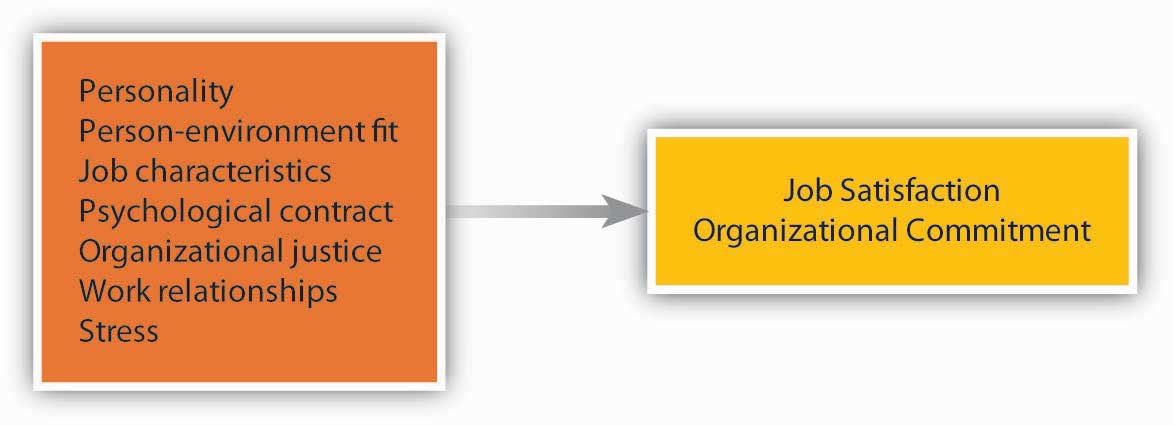
      What makes you satisfied with your job and develop commitment to your company? Research shows that people pay attention to several factors of their work environment, including characteristics of the job (a function of Organizing activities), how they are treated (related to Leadership actions), the relationships they form with colleagues and managers (also Leadership related), and the level of stress the job entails.

      As we have seen earlier in this chapter, personality and values play important roles in how employees feel about their jobs.

      Figure 2.14 Factors Contributing to Job Satisfaction and Organizational Commitment

      image

      Job Characteristics

      Employees tend to be more satisfied and committed in jobs that involve certain characteristics. The ability to use a variety of skills, having autonomy at work, receiving feedback on the job, and performing a significant task are some job characteristics that are related to satisfaction and commitment. However, the presence of these factors is not important for everyone. Some people have a high need for growth. These employees tend to be more satisfied when their jobs help them build new skills and improve (Loher, et. al., 1985; Mathieu & Zajac, 1990).

      Organizational Justice and the Psychological Contract

      A strong influence over our satisfaction level is how fairly we are treated. People pay attention to the fairness of company policies and procedures, fair and kind treatment from supervisors, and fairness of their pay and other rewards they receive from the company (Cohen-Charash & Spector, 2001; Colquitt, et. al., 2001; Meyer, et. al., 2002). Organizational justice can be classified into three categories: (1) procedural (fairness in the way policies and processes are carried out), (2) distributive (the allocation of resources or compensation and benefits), and (3) interactional (the degree to which people are treated with dignity and respect). At the root of organizational justice is trust, something that is easier to break than to repair if broken.

      The psychological contract is the unspoken, informal understanding that an employee will contribute certain things to the organization (e.g., work ability and a willing attitude) and will receive certain things in return (e.g., reasonable pay and benefits). Under the psychological contract, an employee may believe that if he or she works hard and receives favorable performance evaluations, he or she will receive an annual bonus, periodic raises and promotions, and will not be laid off. Since the ΓÇ£downsizingΓÇ¥ trend of the past 20 years, many commentators have declared that the psychological contract is violated more often than not.

      Relationships at Work

      Two strong predictors of our happiness at work and commitment to the company are our relationships with coworkers and managers. The people we interact with, how friendly they are, whether we are socially accepted in our work group, whether we are treated with respect by them are important to our happiness at work. Research also shows that our relationship with our manager, how considerate the manager is, and whether we build a trust-based relationship with our manager are critically important to our job satisfaction and organizational commitment (Bauer, et. al., 2007; Gerstner & Day, 1997; Judge, et. al., 2004; Kinicki, et. al., 2002; Mathieu & Zajac, 1990; Meyer, et. al., 1990; Rhoades & Eisenberger, 2002). When our manager and overall management listen to us, care about us, and value our opinions, we tend to feel good at work. When establishing effective relations with employees, little signals that you care about your employees go a long way. For example, in 2004 San FranciscoΓÇÖs Hotel Carlton was taken over and renovated by a new management group, Joie de Vivre Hospitality. One of the small things the new management did that created dramatic results was that, in response to an employee attitude survey, they replaced the old vacuum cleaners housekeepers were using and started replacing them every year. It did not cost the company much to replace old machinery, but this simple act of listening to employee problems and taking action went a long way to make employees feel better 2.

      Stress

      Not surprisingly, the amount of stress present in a job is related to employee satisfaction and commitment. Stressors range from environmental ones (noise, heat, inadequate ventilation) to interpersonal ones (organizational politics, conflicts with coworkers) to organizational ones (pressure to avoid making mistakes, worrying about the security of the job). Some jobs, such as intensive care unit nurse and military fighter pilot, are inherently very stressful.

      Another source of stress has to do with the roles people are expected to fulfill on and off the job. Role ambiguity is uncertainty about what our responsibilities are in the job. Role conflict involves contradictory demands at work; it can also involve conflict between fulfilling oneΓÇÖs role as an employee and other roles in life, such as the role of parent, friend, or community volunteer.

      Generally speaking, the higher the stress level, the lower job satisfaction tends to be. But not all stress is bad, and some stressors actually make us happier! For example, working under time pressure and having a high degree of responsibility are stressful, but they are also perceived as challenges and tend to be related to high levels of satisfaction (Kinicki, et. al., 2002; Meyer, et. al., 2002; Miller, et. al., 2008; Podsakoff, et. al., 2007).

      Assessing Work Attitudes in the Workplace

      Given that work attitudes may give us clues about who will leave or stay, who will perform better, and who will be more engaged, tracking satisfaction and commitment levels is a helpful step for companies. If there are companywide issues that make employees unhappy and disengaged, these need to be resolved. There are at least two systematic ways in which companies can track work attitudes: through attitude surveys and exit interviews. Companies such as KFC and Long John Silver restaurants, the SAS Institute, Google, and others give periodic attitude surveys, which are used to track employee work attitudes. Companies can get more out of these surveys if responses are held confidential. If employees become concerned that their individual responses will be shared with their immediate manager, they are less likely to respond honestly. Moreover, success of these surveys depends on the credibility of management in the eye of employees. If management periodically collects these surveys but no action comes out of them, employees may adopt a more cynical attitude and start ignoring these surveys, hampering the success of future efforts. Exit interviews involve a meeting with the departing employee. This meeting is often conducted by a member of the human resource management department. If conducted well, this meeting may reveal what makes employees dissatisfied at work and give management clues about areas for improvement.

      How strong is the attitude-behavior link? First of all, it depends on the attitude in question. Your attitudes toward your colleagues may influence whether you actually help them on a project, but they may not be a good predictor of whether you quit your job. Second, it is worth noting that attitudes are more strongly related to intentions to behave in a certain way, rather than actual behaviors. When you are dissatisfied with your job, you will have the intention to leave. Whether you actually leave will be a different story! Your leaving will depend on many factors, such as availability of alternative jobs in the market, your employability in a different company, and sacrifices you have to make while changing jobs. Thus, while the attitudes assessed through employee satisfaction surveys and exit interviews can provide some basis for predicting how a person might behave in a job, remember that behavior is also strongly influenced by situational constraints

    • Work attitudes are the feelings we have toward different aspects of the work environment. Job satisfaction and organizational commitment are two key attitudes that are the most relevant to important outcomes. In addition to personality and fit with the organization, work attitudes are influenced by the characteristics of the job, perceptions of organizational justice and the psychological contract, relationships with coworkers and managers, and the stress levels experienced on the job. Many companies assess employee attitudes through surveys of worker satisfaction and through exit interviews. The usefulness of such information is limited, however, because attitudes create an intention to behave in a certain way, but they do not always predict actual behaviors.

      1. Do you think making employees happier at work is a good way of motivating people? When would high satisfaction not be related to high performance?
      2. How important is pay in making people attached to a company and making employees satisfied?
      3. Do you think younger and older people are similar in what makes them happier at work and makes them committed to their companies? Do you think there are male-female differences? Explain your answers.

  • Theories of Motivations

    1. A Motivating Place to Work : The case of Zappos

    2. Need-Based Theories of Motivation

    3. Process-Based Theories

    4. The Role of Ethics and National Culture

    5. Motivation in Action : The case of Trade JoeΓÇÖs

    6. Conclusion

    7. Exercise


    • A Motivating Place to Work: The Case of Zappos
      It is unique to hear about a CEO who studies happiness and motivation and builds those principles into the companyΓÇÖs core values or about a company with a 5-week training course and an offer of $2,000 to quit anytime during that 5 weeks if you feel the company is not a good fit. Top that off with an on-site life coach who also happens to be a chiropractor, and you are really talking about something you donΓÇÖt hear about every day. Zappos is known as much for its 365-day return policy and free shipping as it is for its innovative corporate culture. Although acquired in 2009 by Amazon (NASDAQ: AMZN), Zappos managed to move from number 23 in 2009 on Fortune magazineΓÇÖs ΓÇ£100 Best Companies to Work ForΓÇ¥ list to 15 in 2010.

      Performance is a function of motivation, ability, and the environment in which you work. Zappos seems to be creating an environment that encourages motivation and builds inclusiveness. The company delivers above and beyond basic workplace needs and addresses the self-actualization needs that most individuals desire from their work experience. CEO Tony Hsieh believes that the secret to customer loyalty is to make a corporate culture of caring a priority. This is reflected in the companyΓÇÖs 10 core values and its emphasis on building a team and a family. During the interview process, applicants are asked questions relating to the companyΓÇÖs values, such as gauging their own weirdness, open-mindedness, and sense of family. Although the offer to be paid to quit during the training process has increased from its original number of $400, only 1% of trainees take the offer. Work is structured differently at Zappos as well. For example, there is no limit to the time customer service representatives spend on a phone call, and they are encouraged to make personal connections with the individuals on the other end rather than try to get rid of them.

      Although Zappos has over 1,300 employees, the company has been able to maintain a relatively flat organizational structure and prides itself on its extreme transparency. In an exceptionally detailed and lengthy letter to employees, Hsieh spelled out what the new partnership with Amazon would mean for the company, what would change, and more important, what would remain the same. As a result of this type of company structure, individuals have more freedom, which can lead to greater satisfaction.

      Although Zappos pays its employees well and offers attractive benefits such as employees receiving full health-care coverage and a compressed workweek, the desire to work at Zappos seems to go beyond that. As Hsieh would say, happiness is the driving force behind almost any action an individual takes. Whether your goals are for achievement, affiliation, or simply to find an enjoyable environment in which to work, Zappos strives to address these needs.


      A box from Zappos!

    • 1. How does Zappos motivate its employees?.

      2. What is motivation to work at a place?

      3. How does Zappos test the motivation of its new hires?

      4. How does Zappos empower its employees?

    • Theories of Motivation

      Learning Objectives

      After reading this chapter, you should be able to do the following:

      1. Understand the role of motivation in determining employee performance.
      2. Classify the basic needs of employees.
      3. Describe how fairness perceptions are determined and consequences of these perceptions.
      4. Understand the importance of rewards and punishments.
      5. Apply motivation theories to analyze performance problems

      What inspires employees to provide excellent service, market a companyΓÇÖs products effectively, or achieve the goals set for them? Answering this question is of utmost importance if we are to understand and manage the work behavior of our peers, subordinates, and even supervisors. Put a different way, if someone is not performing well, what could be the reason?

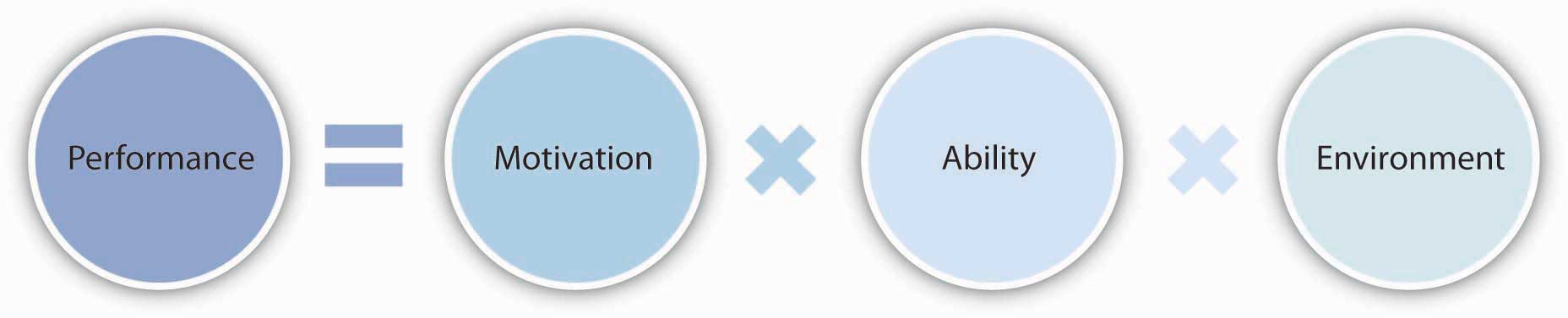
      Job performance is viewed as a function of three factors and is expressed with the equation below (Mitchell, 1982; Porter & Lawler, 1968).According to this equation, motivation, ability, and environment are the major influences over employee performance.

      Figure 5.1

      Performance = Motivation X Ability X Environment

      Performance is a function of the interaction between an individualΓÇÖs motivation, ability, and environment.

      Motivation is one of the forces that lead to performance. Motivation is defined as the desire to achieve a goal or a certain performance level, leading to goal-directed behavior. When we refer to someone as being motivated, we mean that the person is trying hard to accomplish a certain task. Motivation is clearly important if someone is to perform well; however, it is not sufficient. AbilityΓÇöor having the skills and knowledge required to perform the jobΓÇöis also important and is sometimes the key determinant of effectiveness. Finally, environmental factors such as having the resources, information, and support one needs to perform well are critical to determine performance. At different times, one of these three factors may be the key to high performance. For example, for an employee sweeping the floor, motivation may be the most important factor that determines performance. In contrast, even the most motivated individual would not be able to successfully design a house without the necessary talent involved in building quality homes. Being motivated is not the same as being a high performer and is not the sole reason why people perform well, but it is nevertheless a key influence over our performance level.

      So what motivates people? Why do some employees try to reach their targets and pursue excellence while others merely show up at work and count the hours? As with many questions involving human beings, the answer is anything but simple. Instead, there are several theories explaining the concept of motivation. We will discuss motivation theories under two categories: need-based theories and process theories. 

  • Designing a Motivating Work Environment

    1. Motivating Steel Workers Works : The Case of Nucor

    2. Motivating Employees Through Job Design

    3. Motivating Employees Through Goal Setting

    4. Motivating Employees Through Performance Appraisals

    5. Motivating Employees Though Performance Incentives

    6. The Role of Ethics and National Culture

    7. Conclusion

    8. Exercise


  • Managing Stress and Emotions

    1. Facing Foreclosure: The Case of Camden Property Trust

    2. What is Stress

    3. Avoiding and Managing  Stress

    4. What are Emotions

    5. Emotions at Work

    6. The Role of Ethics and National Culture

    7. Getting Emotional : The case of American Express

    8. Conclusion

    9. Exercise


    • Avoiding and Managing Stress

      Learning Objectives

      1. Understand what individuals can do to manage their own stress.
      2. Understand what organizations can do to help their employees avoid and manage stress.

      Individual Approaches to Managing Stress

      The Corporate Athlete

      Luckily, there are several ways to manage stress. One way is to harness stressΓÇÖs ability to improve our performance. Jack Groppel was working as a professor of kinesiology and bioengineering at the University of Illinois when he became interested in applying the principles of athletic performance to workplace performance. Could eating better, exercising more, and developing a positive attitude turn distress into eustress? GroppelΓÇÖs answer was yes. If professionals trained their minds and bodies to perform at peak levels through better nutrition, focused training, and positive action, Groppel said, they could become ΓÇ£corporate athletesΓÇ¥ working at optimal physical, emotional, and mental levels.

      The ΓÇ£corporate athleteΓÇ¥ approach to stress is a proactive (action first) rather than a reactive (response-driven) approach. While an overdose of stress can cause some individuals to stop exercising, eat less nutritional foods, and develop a sense of hopelessness, corporate athletes ward off the potentially overwhelming feelings of stress by developing strong bodies and minds that embrace challenges, as opposed to being overwhelmed by them.

      Flow

      Turning stress into fuel for corporate athleticism is one way of transforming a potential enemy into a workplace ally. Another way to transform stress is by breaking challenges into smaller parts, and embracing the ones that give us joy. In doing so, we can enter a state much like that of a child at play, fully focused on the task at hand, losing track of everything except our genuine connection to the challenge before us. This concept of total engagement in oneΓÇÖs work, or in other activities, is called flow. The term flow was coined by psychologist Mihaly Csikszentmihalyi and is defined as a state of consciousness in which a person is totally absorbed in an activity. WeΓÇÖve all experienced flow: ItΓÇÖs the state of mind in which you feel strong, alert, and in effortless control.


      Figure 7.5

      High Focus20% of managers are disengaged at work10% of managers engage in purposeful work
      Low Focus30% of managers are procrastinators40% of managers are distracted at work
      Low EnergyHigh Energy

      A key to flow is engaging at work, yet research shows that most managers do not feel they are engaged in purposeful work.

      Sources: Adapted from information in Bruch, H., & Ghoshal, S. (2002, February). Beware the busy manager. Harvard Business Review80, 62ΓÇô69; Schiuma, G., Mason, S., & Kennerley, M. (2007). Assessing energy within organizations. Measuring Business Excellence11, 69ΓÇô78.


      According to this way of thinking, the most pleasurable way for a person to work is in harmony with his or her true interests. Work is seen as more similar to playing games than most activities adults do. This is because work consists of tasks, puzzles, surprises, and potentially rewarding challenges. By breaking down a busy workday into smaller pieces, individuals can shift from the ΓÇ£stressΓÇ¥ of work to a more engaged state of flow.

      Designing Work That Flows

      Keep in mind that work that flows includes the following:

      • Challenge: the task is reachable but requires a stretch
      • Meaningfulness: the task is worthwhile or important
      • Competence: the task uses skills that you have
      • Choice: you have some say in the task and how itΓÇÖs carried out (Csikszentmihalyi, 1997)

      Corporate athleticism and flow are two concepts that can help you cope with stress. Next, let us focus more on exactly how individual lifestyle choices affect our stress levels. Eating well, exercising, getting enough sleep, and employing time management techniques are all things we can affect that can decrease our feelings of stress.

      Diet


      Figure 7.6

      Tomatoes, Cucumbers, and Cauliflower

      Eating healthy foods such as fresh fruits and vegetables is a key to stress management.

      Yukiko Matsuoka ΓÇô Vegetable ΓÇô CC BY-NC 2.0.


      Greasy foods often make a person feel tired. Why? Because it takes the body longer to digest fats, which means the body is diverting blood from the brain and making you feel sluggish. Eating big, heavy meals in the middle of the day may actually slow us down, because the body will be pumping blood to the stomach, away from the brain. A better choice for lunch might be fish, such as wild salmon. Fish keeps you alert because of its effect on two important brain chemicalsΓÇödopamine and norepinephrineΓÇöwhich produce a feeling of alertness, increased concentration, and faster reaction times (Wurtman, 1988).

      Exercise

      Exercise is another strategy for managing stress. The best kind of break to take may be a physically active one. Research has shown that physically active breaks lead to enhanced mental concentration and decreased mental fatigue. One study, conducted by Belgian researchers, examined the effect of breaks on workers in a large manufacturing company. One-half of the workers were told to rest during their breaks. The other half did mild calisthenics. Afterward, each group was given a battery of tests. The group who had done the mild calisthenics scored far better on all measures of memory, decision-making ability, eyeΓÇôhand coordination, and fine motor control (Miller, 1986).

      Strange as it may seem, exercise gives us more energy. How energetic we feel depends on our maximum oxygen capacity (the total amount of oxygen we utilize from the air we breathe). The more oxygen we absorb in each breath, the more energy and stamina we will have. Yoga and meditation are other physical activities that are helpful in managing stress. Regular exercise increases our bodyΓÇÖs ability to draw more oxygen out of the air we breathe. Therefore, taking physically active breaks may be helpful in combating stress.

      Sleep

      It is a vicious cycle. Stress can make it hard to sleep. Not sleeping makes it harder to focus on work in general, as well as on specific tasks. Tired folks are more likely to lose their temper, upping the stress level of others. American insomnia is a stress-related epidemicΓÇöone-third of adults claim to have trouble sleeping and 37% admit to actually having fallen asleep while driving in the past year (Tumminello, 2007).

      The workΓÇôlife crunch experienced by many Americans makes a good nightΓÇÖs sleep seem out of reach. According to the journal Sleep, workers who suffer from insomnia are more likely to miss work due to exhaustion. These missed days ultimately cost employers thousands of dollars per person in missed productivity each year, which can total over $100 billion across all industries.[1] As you might imagine, a person who misses work due to exhaustion will return to work to find an even more stressful workload. This cycle can easily increase the stress level of a work team as well as the overtired individual

      Create a Social Support Network

      A consistent finding is that those individuals who have a strong social support network are less stressed than those who do not (Halbesleben, 2006). Research finds that social support can buffer the effects of stress (Yperfen & Hagedoorn, 2003). Individuals can help build up social support by encouraging a team atmosphere in which coworkers support one another. Just being able to talk with and listen to others, either with coworkers at work or with friends and family at home, can help decrease stress levels.

      Time Management

      Time management is defined as the development of tools or techniques that help to make us more productive when we work. Effective time management is a major factor in reducing stress, because it decreases much of the pressure we feel. With information and role overload it is easy to fall into bad habits of simply reacting to unexpected situations. Time management techniques include prioritizing, manageable organization, and keeping a schedule such as a paper or electronic organizing tool. Just like any new skill, developing time management takes conscious effort, but the gains might be worthwhile if your stress level is reduced.


      Organizational Approaches to Managing Stress

      Stress-related issues cost businesses billions of dollars per year in absenteeism, accidents, and lost productivity (Hobson, 2004). As a result, managing employee stress is an important concern for organizations as well as individuals. For example, Renault, the French automaker, invites consultants to train their 2,100 supervisors to avoid the outcomes of negative stress for themselves and their subordinates. IBM Corporation encourages its worldwide employees to take an online stress assessment that helps them create action plans based on their results. Even organizations such as General Electric Company (GE) that are known for a ΓÇ£winner takes allΓÇ¥ mentality are seeing the need to reduce stress. Lately, GE has brought in comedians to lighten up the workplace atmosphere, and those receiving low performance ratings are no longer called the ΓÇ£bottom 10sΓÇ¥ but are now referred to as the ΓÇ£less effectivesΓÇ¥ (Dispatches from the war on stress, 2007). Organizations can take many steps to helping employees with stress, including having more clear expectations of them, creating jobs where employees have autonomy and control, and creating a fair work environment. Finally, larger organizations normally utilize outside resources to help employees get professional help when needed.

      Make Expectations Clear

      One way to reduce stress is to state your expectations clearly. Workers who have clear descriptions of their jobs experience less stress than those whose jobs are ill defined (Jackson & Schuler, 1985; Sauter, Murphy, & Hurrell, 1990). The same thing goes for individual tasks. Can you imagine the benefits of working in a place where every assignment was clear and employees were content and focused on their work? It would be a great place to work as a manager, too. Stress can be contagious, but as weΓÇÖve seen above, this kind of happiness can be contagious, too. Creating clear expectations doesnΓÇÖt have to be a topΓÇôdown event. Managers may be unaware that their directives are increasing their subordinatesΓÇÖ stress by upping their confusion. In this case, a gentle conversation that steers a project in a clearer direction can be a simple but powerful way to reduce stress. In the interest of reducing stress on all sides, itΓÇÖs important to frame situations as opportunities for solutions as opposed to sources of anger.

      Give Employees Autonomy

      Giving employees a sense of autonomy is another thing that organizations can do to help relieve stress (Kossek, Lautschb, & Eaton, 2006). It has long been known that one of the most stressful things that individuals deal with is a lack of control over their environment. Research shows that individuals who feel a greater sense of control at work deal with stress more effectively both in the United States and in Hong Kong (Schaubroeck, Lam, & Xie, 2000). Similarly, in a study of American and French employees, researchers found that the negative effects of emotional labor were much less for those employees with the autonomy to customize their work environment and customer service encounters (Grandey, Fisk, & Steiner, 2005). EmployeesΓÇÖ stress levels are likely to be related to the degree that organizations can build autonomy and support into jobs.

      Create Fair Work Environments

      Work environments that are unfair and unpredictable have been labeled ΓÇ£toxic workplaces.ΓÇ¥ A toxic workplace is one in which a company does not value its employees or treat them fairly (Webber, 1998). Statistically, organizations that value employees are more profitable than those that do not (Huselid, 1995; Pfeffer, 1998; Pfeffer & Veiga, 1999; Welbourne & Andrews, 1996). Research shows that working in an environment that is seen as fair helps to buffer the effects of stress (Judge & Colquitt, 2004). This reduced stress may be because employees feel a greater sense of status and self-esteem or due to a greater sense of trust within the organization. These findings hold for outcomes individuals receive as well as the process for distributing those outcomes (Greenberg, 2004). Whatever the case, it is clear that organizations have many reasons to create work environments characterized by fairness, including lower stress levels for employees. In fact, one study showed that training supervisors to be more interpersonally sensitive even helped nurses feel less stressed about a pay cut (Greenberg, 2006).


    • Emotions in the Workplace: Why Managers Need to Care

      It can be easy for managers to brush off emotions in the workplace, but ignoring them can have dire consequences. It's no secret that emotions play a role in the workplace. When people are stressed, upset, or angry, it can affect their work performance and interactions with others. For managers, it's important to be aware of these emotions and how to deal with them. By understanding and acknowledging the role emotions play in the workplace, managers can create a positive environment for their team and help them to excel.

      Why Do Emotions Matter in the Workplace?

      The emotional culture in a workplace can help with predicting workplace outcomes. Here are some fundamental ways that emotions at work affect an organisation:

      • A joyful work environment attracts top talent - As well as bringing in the best people, an atmosphere of fun and support between co-workers fuels higher retainment levels and commitment to the company.
      • Too much of a good thing - Excess amounts of fun or camaraderie can get in the way of critical thinking and lead to lower productivity.
      • Excess stress impairs brain power - Stress is shown to cause issues with memory, attention, impulse control, and mental flexibility. For this reason, workplaces that are excessively disciplinary or have a disregard for fostering a positive emotional culture, can end up with less productive employees.
      • Emotional exhaustion leads to burnout - Burnout is thought to come from low morale at work over a prolonged period of time. This can be because of any number of workplace issues such as feeling undervalued at work, a lack of influence, or a lack of camaraderie between team members.
      • Positive emotions lead to innovation - When workers feel safe to express themselves and are encouraged to take risks, they are more likely to come up with new ideas. And when those ideas are met with support and enthusiasm, they are more likely to be developed into successful products or services.

      What Is Emotional Intelligence in the Workplace?

      Emotional intelligence (EI) is the ability to be aware of and manage one's own emotions, as well as the emotions of others. It involves self-awareness, empathy, and self-regulation. Unlike conventional intelligence, which focuses on cognitive skills, EI entails understanding and managing feelings.

      In the workplace, emotional intelligence can be a valuable asset in managing relationships, handling difficult conversations, and resolving conflict. Those who are emotionally intelligent are able to create a more positive and productive work environment.

      Types of Emotions in the Workplace

      Human beings experience a complex landscape of emotions throughout their lifetime and it is only natural that these would be present in some form within the work environment.

      Positive Emotions in the Workplace

      These positive emotions are common in a healthy and productive workplace:

      • Feeling valued - This involves feeling that our positive traits have been recognised and responded to appreciatively.
      • Happiness - This involves an overall sense of contentment and meaning experienced within a job role.
      • Camaraderie - In the workplace, camaraderie is a feeling of trust, collaboration, and friendship between colleagues.
      • Excitement - A feeling of mental stimulation and heightened joy in relation to the company's goals or the person's individual role.
      • Engagement - A heightened sense of focus and connection to a task or process within a job role. It can also include engagement with the company's ethos or team members.
      • Belonging - This involves a feeling of being "in the right place", and feeling connected with a role or team.
      • Confidence - A sense of personal empowerment and courage within a role. An ability to put forward unique ideas without feeling shy or otherwise inhibited.
      • Pride - This is a great feeling about a person's own role in a company as well as their contributions or skills.
      • Flow - A profound sense of absorption in an activity that completely engages a person's brain so they feel at one with the task.

      Negative Emotions in the Workplace

      Some negative emotions at work are inevitable, or even at times helpful. However, extensive amounts of these emotions can drain the psychological health of a team:

      The most common negative emotions in the workplace are:

      • Burnout - This is extreme emotional fatigue that is the result of chronic stress within a job.
      • Stress - In short bursts, stress is a fear response that can activate our brains so we become more alert and engaged with a task. In the long-term, or in highly difficult situations, stress can have a negative impact on our minds and bodies alike.
      • Aggression - This is defined as ΓÇÿany incident in which employees and other people are abused, threatened or assaulted at workΓÇÖ. This includes verbal abuse and passive-aggression.
      • Pessimism - A negative outlook on the future of the company, the work itself, or the social dynamics within the team. A tendency to focus on negative information and form opinions based on that.
      • Anxiety - This negative emotion causes a person to feel unsafe either emotionally or physically. Anxiety at work can be about retaining employment, meeting demands, social aspects of the workplace, or even the tasks themselves.
      • Depression - Work-related depression is often triggered by an accumulation of stress that seems unsurpassable. It can cause feelings of hopelessness or apathy within the job.
      • Anger - This is another response to stress at work that involves a more expulsive and sometimes destructive approach. Workplace anger can result from irritation, outrage, or feelings of injustice.
      • Isolation - This often affects remote workers but can affect those within an office environment too. Isolation is the lack of needed social contact and connection. It can occur within a team if one person feels undervalued or ignored.

      How Do Emotions Affect the Workplace

      Our emotions have a great impact on our workplace. Positive emotions such as joy and hope can improve our productivity and help us to build positive relationships with our colleagues. On the other hand, negative emotions like anxiety and anger can lead to conflict and make it difficult to focus on the task at hand.

      Emotional labor is the term used to describe the efforts we put into managing our emotions in the workplace. This can be positive emotional labor, like trying to remain positive in the face of adversity, or negative emotional labor, like putting on a brave face when you're feeling overwhelmed. Either way, it's important to be aware of how your emotions are affecting your work life.

      How Do Emotions Affect Communication in the Workplace?

      Emotions play a role in every aspect of our lives, including the workplace. In fact, emotions can have a powerful impact on organizational behavior and communication. For example, positive emotions like happiness and gratitude can lead to increased cooperation and teamwork. On the other hand, negative emotions like anger and anxiety can lead to conflict and miscommunication.

      In some cases, emotions can even lead to organizational change. For example, if employees are feeling stressed or overworked, they may be more likely to speak up or take action. While emotions are an important part of the workplace, it is important to remember that they can also be a source of conflict. When communicating with others, it is important to be aware of your own emotions and how they might be affecting your ability to communicate effectively.

      How Do Emotions Influence Employee Motivation?

      Emotions play a critical role in employee motivation. Positive emotions can lead to positive feelings, such as happiness, pride, and enthusiasm, which in turn can lead to greater job satisfaction and productivity. On the other hand, negative emotions can cause employees to feel stressed, anxious, and resentful, which can lead to decreased motivation and performance.

      Therefore, it is essential for managers to create an emotionally positive work environment where employees feel valued and supported. When employees feel positive emotions at work, they are more likely to be motivated to do their best.

      Are Emotions Contagious in the Workplace?

      In recent years, there has been increasing interest in the idea of emotional contagion in the workplace. Emotional contagion is the spread of emotions from one person to another, and it can have a significant impact on workplace productivity and morale. A prominent recent study on Twitter users showed that positive moods tend to be more contagious than negative emotions.

      However, it is important to note that emotional contagion is not always positive. In some cases, employees may feel pressured to participate in "surface acting" - to put on a happy face even when they are feeling stressed. This can lead to negative consequences such as increased absenteeism and job dissatisfaction.

      Overall, emotional contagion is a complex phenomenon with the potential to have both positive and negative effects in the workplace.

      Are Emotions Counterproductive in the Workplace?

      When it comes to the workplace, emotional intelligence is said to be key. The ability to understand and regulate one's emotions, as well as the emotions of others, is said to be essential for success in any professional setting.

      However, some experts have argued that certain enforced emotions are actually counterproductive in the workplace. They argue that emotional labor - the effort required to manage one's emotions in order to meet the demands of a job - is draining and can lead to burnout. Additionally, they argue that surface acting - putting on a happy face even when one feels unhappy - can be detrimental to both mental and physical health, as well as job satisfaction.

      As a result, it is important for employers to create an emotional environment that is supportive and healthy for employees.

      How Do Emotions in the Workplace Influence Conflict?

      Emotions are a natural and often automatic response to any given situation. In the workplace, emotions can be triggered by a variety of things, from a difficult client interaction to a tight deadline. When left unchecked, these emotions can lead to conflict.

      For example, someone who is feeling angry may lash out at a coworker, while someone who is feeling anxious may have trouble communicating effectively.

      On the other hand, positive emotions can also lead to conflict, such as when two people feel strongly about the same idea and compete for credit.

      Ultimately, emotions play a significant role in shaping the way we interact with others, and they can either contribute to or help resolve conflict. With this in mind, itΓÇÖs important to be aware of our emotions and how they might be affecting our work relationships.

      How Can Emotions and Moods Affect Decision Making in the Workplace?

      Emotions and moods can have a significant impact on decision making in the workplace. When employees are feeling positive, they are more likely to take risks and be innovative. However, when employees are feeling negative, they are more likely to play it safe and stick to established procedures.

      Emotional intelligence can help managers to create a positive emotional culture in the workplace. By promoting emotional awareness and encouraging employees to express their feelings, managers can create a positive emotional culture where employees feel comfortable making decisions. In addition, emotional intelligence can help managers to identify when employees are feeling overwhelmed or stressed, and provide support to prevent them from making poor decisions.

      What Can Managers Do to Manage Employees' Emotions?

      Managers play an important role in setting the emotional tone of the workplace. Employees often look to their managers for cues on how to react to and deal with difficult situations. As such, it is important for managers to be aware of the emotional labor that their employees are engaged in.

      Emotional labor can be defined as "the effort, planning, and control needed to regulate emotions in order to appear emotionally appropriate". It is an essential part of many jobs, but can also be emotionally draining.

      Managers can help to ease the emotional load by being mindful of the emotional culture of the workplace. They can create opportunities for employees to openly discuss their emotional experiences and provide support when needed. If they conceptualize emotional labor and take steps to manage emotional culture, managers will better support their employees' emotional well-being.

      Frequently Asked Question

      How Can Emotions Negatively Affect the Workplace?

      Emotions play an important role in our lives, affecting how we think, feel, and behave. However, emotions can also have a negative impact on the workplace. occupational health psychology is a field of study that examines the ways in which emotions can lead to problems such as job dissatisfaction, absenteeism, and even accidents.

      One of the main ways in which emotions can negatively affect the workplace is through what is known as "deep acting." This occurs when employees try to suppress their true emotions in order to conform to the demands of their job. For example, a customer service representative might force a smile even if they are feeling angry or frustrated. Over time, this can lead to increased stress and job burnout. Additionally, deep acting can also lead to poorer performance as employees struggle to maintain the facade of positive emotion.

      Ultimately, it is important to create a work environment that allows employees to express their emotions in a healthy and productive way.

      Why is it important to manage emotions in the workplace?

      Emotions are a normal and essential part of who we are as human beings. They give us information about the world around us and help us to navigate our social environment. However, emotions can also have a strong impact on our professional lives.

      A positive mood has been linked with increased productivity, while a negative mood can lead to errors and accidents. Research suggests that we are more likely to make decisions based on emotion than on reason, which means that managing emotions in the workplace is essential for making sound decisions.

      When we are aware of our emotions and can regulate them effectively, we are more likely to make positive choices that benefit both ourselves and our organizations.

      How Can You Differentiate Between Emotions and Moods in the Workplace?

      It's important to be able to differentiate between emotions and moods in the workplace, as they can have a big impact on productivity and morale. Emotions are short-lived, intense feelings that are triggered by a specific event, while moods are more long-lasting, general states of mind.

      Moods can be positive or negative, and they can affect both our facial expressions and body language. If someone is in a bad mood, they might have a frown on their face and their body might be tense. If someone is in a positive mood, they might have a smile on their face and their body might be relaxed.

      Emotions, on the other hand, are usually more intense and can be triggered by something as small as a colleague saying something rude. In this way, emotions can be viewed as a healthy fluctuation that we can train ourselves to overcome once they've been felt. With mood, there can be more deep-rooted causes to deal with.

      It's important to be aware of both our own emotions and moods, as well as those of our colleagues. If someone is in a bad mood, it might be best to give them some space for a while or implement some kind of support.

      Are Showing Emotions Good or Bad in the Workplace?

      We are emotional creatures, and it is natural for our emotions to come out in the workplace. The reality is that we all have emotional states that can be triggered by events at work.

      Sometimes, it is simply impossible to hide our true feelings, but emotional reactions can actually be a strength. They can show that we are human and that we care about our work. If we didn't have emotional reactions, we might come across as cold and uninterested.

      Of course, there is such a thing as too much emotion. If we are constantly emotional in the workplace, it can be disruptive and distracting. We might also come across as unstable or unreliable. So it is important to find a balance. Showing some emotion in the workplace can be a good thing, but we need to make sure that we don't let our emotions take over.


    • Getting Emotional: The Case of American Express

      Figure 7.14

      Buying Life Insurance!

      Death and money can be emotional topics. Sales reps at American Express CompanyΓÇÖs (NYSE: AXP) life insurance division had to deal with both these issues when selling life insurance, and they were starting to feel the strain of working with such volatile emotional materials every day. Part of the problem representatives faced seemed like an unavoidable side effect of selling life insurance. Many potential clients were responding fearfully to the sales representativesΓÇÖ calls. Others turned their fears into anger. They replied to the representativesΓÇÖ questions suspiciously or treated them as untrustworthy.

      The sales force at American Express believed in the value of their work, but over time, customersΓÇÖ negative emotions began to erode employee morale. Sales of policies slowed. Management insisted that the representatives ignore their customersΓÇÖ feelings and focus on making sales. The representativesΓÇÖ more aggressive sales tactics seemed only to increase their clientsΓÇÖ negative emotional responses, which kicked off the cycle of suffering again. It was apparent something had to change.

      In an effort to understand the barriers between customers and sales representatives, a team led by Kate Cannon, a former American Express staffer and mental-health administrator, used a technique called emotional resonance to identify employeesΓÇÖ feelings about their work. Looking at the problem from an emotional point of view yielded dramatic insights about clients, sales representatives, and managers alike.

      The first step she took was to acknowledge that the clientsΓÇÖ negative emotions were barriers to life insurance sales. Cannon explained, ΓÇ£People reported all kinds of emotional issuesΓÇöfear, suspicion, powerlessness, and distrustΓÇöinvolved in buying life insurance.ΓÇ¥ ClientsΓÇÖ negative emotions, in turn, had sparked negative feelings among some American Express life insurance sales representatives, including feelings of incompetence, dread, untruthfulness, shame, and even humiliation. ManagementΓÇÖs focus on sales had created an emotional disconnect between the sales repsΓÇÖ work and their true personalities. Cannon discovered that sales representatives who did not acknowledge their clientsΓÇÖ distress felt dishonest. The emotional gap between their words and their true feelings only increased their distress.

      Cannon also found some good news. Sales representatives who looked at Cannon also found some good news. Sales representatives who looked at their job from the customerΓÇÖs point of view were flourishing. Their feelings and their words were in harmony. Clients trusted them. The trust between these more openly emotional sales representatives and their clients led to greater sales and job satisfaction. To see if emotional skills training could increase job satisfaction and sales among other members of the team, Cannon instituted a course in emotional awareness for a test group of American Express life insurance sales representatives. The goal of the course was to help employees recognize and manage their feelings. The results of the study proved the value of emotional clarity. Coping skills, as measured on standardized psychological tests, improved for the representatives who took CannonΓÇÖs course.

      The emotional awareness training program had significant impact on American ExpressΓÇÖs bottom line. Over time, as CannonΓÇÖs team expanded their emotion-based program, American Express life insurance sales rose by tens of millions of dollars. American ExpressΓÇÖs exercise in emotional awareness shows that companies can profit when feelings are recognized and consciously managed. Employees whose work aligns with their true emotions make more believable corporate ambassadors. The positive use of emotion can benefit a company internally as well. According to a Gallup poll of over 2 million employees, the majority of workers rated a caring boss higher than increased salary or benefits. In the words of career expert and columnist Maureen Moriarty, ΓÇ£Good moods are good for business.ΓÇ¥